





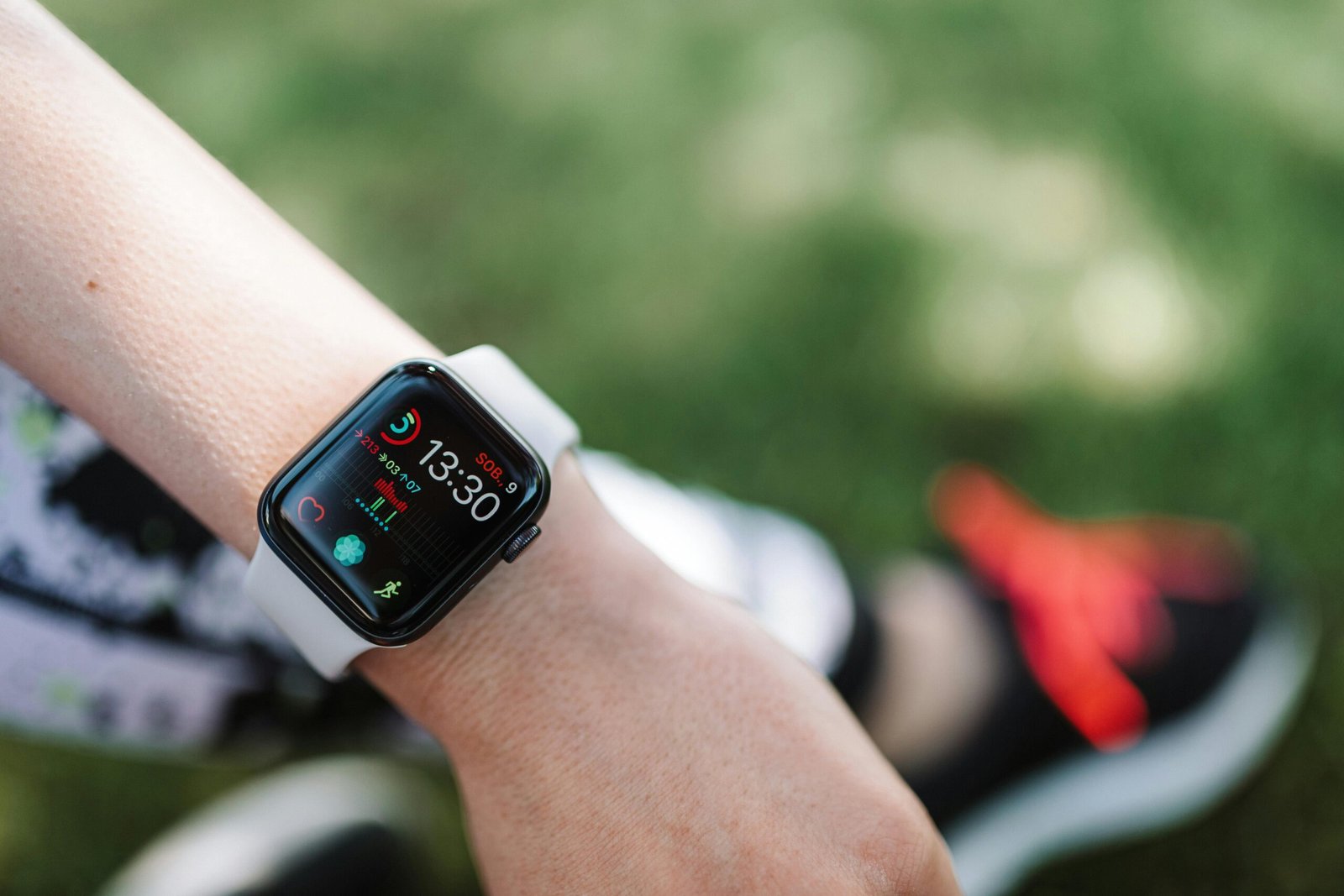
If you’ve been searching for medical tracker, you’re probably looking for a way to monitor health, medications, or medical conditions more efficiently. Medical trackers have become popular because they help people keep their health information organized and accessible. Whether it’s for personal use or managing chronic conditions, a medical tracker can make a big difference. In this guide, we’ll explain what a medical tracker is, how it works, its benefits, and tips to choose the right one.
What Is a Medical Tracker?
A medical tracker is a tool, app, or device that helps you record and monitor health-related information. This can include medications, appointments, symptoms, vitals, and lab results. It is used by patients, caregivers, and even healthcare professionals to ensure better health management.
In general, a medical tracker may include:
-
Medication schedules
-
Health vitals (like blood pressure and heart rate)
-
Doctor appointments
-
Lab test results
-
Symptom tracking
People search for medical trackers to stay organized, prevent mistakes, and manage their health more effectively.
Types of Medical Trackers
Medical trackers come in different forms. Each has its own purpose.
1. Mobile Apps
Mobile apps are the most popular type of medical tracker. You can track everything on your smartphone.
Features include:
-
Medication reminders
-
Health logs
-
Symptom tracking
-
Appointment scheduling
-
Reporting and sharing data with doctors
2. Wearable Devices
Wearable medical trackers, like smartwatches, monitor your health continuously.
Features include:
-
Heart rate monitoring
-
Step count and activity tracking
-
Sleep tracking
-
Alerts for abnormal readings
3. Online Platforms
Some trackers are web-based, mainly for healthcare providers or clinics.
Features include:
-
Patient records
-
Appointment management
-
Lab result storage
-
Remote monitoring
4. Physical Planners
Traditional paper trackers are still used by some people.
Features include:
-
Medication logs
-
Daily symptom tracking
-
Appointment notes
-
Easy to carry
Benefits of Using a Medical Tracker
Using a medical tracker has many advantages.
Key Benefits
-
Stay organized with medications and appointments
-
Reduce errors in medication timing
-
Track health progress over time
-
Share accurate health information with doctors
-
Manage chronic conditions effectively
-
Receive reminders and alerts
A medical tracker helps both patients and caregivers stay on top of health needs.
How to Use a Medical Tracker
Using a medical tracker is simple.
Steps to Get Started
-
Choose the type of tracker (app, wearable, online, or paper)
-
Enter personal health information
-
Add medications, appointments, and doctor details
-
Record vitals and symptoms regularly
-
Review progress and share updates with healthcare providers
Regular use ensures better management of your health.
Features to Look for in a Medical Tracker
When selecting a medical tracker, consider these important features.
Must-Have Features
-
Easy to use interface
-
Reminder alerts
-
Data security and privacy
-
Ability to share data with doctors
-
Multiple tracking options (medications, vitals, appointments)
-
Reports and analytics for health trends
Choosing the right tracker ensures you get accurate and helpful data.
Common Uses of Medical Trackers
Medical trackers are useful for many situations.
Personal Health Management
-
Track medications for daily use
-
Monitor symptoms of chronic conditions
-
Log diet, exercise, and sleep patterns
For Seniors or Caregivers
-
Remind patients to take medications
-
Keep track of appointments
-
Record health metrics for doctors
For Healthcare Professionals
-
Monitor patients remotely
-
Keep digital records
-
Improve treatment planning
Safety Tips When Using Medical Trackers
While medical trackers are helpful, safety is important.
Safety Tips
-
Use trusted apps or devices
-
Protect personal health data
-
Verify reminders and dosages with doctors
-
Avoid relying solely on a tracker for critical medical decisions
-
Keep backup of important health data
Following these tips keeps your information safe and accurate.
Quick Overview Table
| Topic | Details |
|---|---|
| Keyword | Medical Tracker |
| Type | App, device, or planner |
| Uses | Medication, appointments, vitals |
| Benefits | Organization, health monitoring, reminders |
| Tip | Choose secure and reliable tools |
This table gives a quick look at what a medical tracker is and why it’s useful.
FAQs About Medical Trackers
What is a medical tracker?
It is a tool or app used to record and monitor health information like medications, symptoms, and appointments.
Who can use a medical tracker?
Patients, caregivers, seniors, and healthcare professionals can all use a medical tracker.
Are medical trackers safe?
Yes, as long as you use trusted apps or devices and protect personal health data.
Can I share medical tracker data with my doctor?
Most digital trackers allow sharing reports or exporting data for healthcare providers.
Are medical trackers useful for chronic conditions?
Absolutely. They help track symptoms, medications, and vitals over time, which is essential for chronic condition management.
Conclusion
A medical tracker is a valuable tool for anyone looking to manage health effectively. Whether it’s a mobile app, wearable device, online platform, or even a paper planner, a tracker helps you stay organized, reduces mistakes, and keeps your health data accurate. By choosing a reliable tracker and using it consistently, you can improve your health management, stay on top of medications and appointments, and make informed decisions about your well-being.